
How to Reduce Cost for Furniture Factory Decorative Materials
For furniture factories, door manufacturers, panel plants, and trading companies supplying decorative materials, controlling costs is crucial for profitability, especially in a competitive market with rising raw material prices. Decorative materials account for a large part of production costs, so reducing expenses without sacrificing quality is a top priority. This article shares strategies for furniture factories and B2B businesses to cut costs, improve efficiency, and increase profits.
First, optimize procurement: buy smarter, not cheaper. Procurement is key to cost - reduction, balancing quality, quantity, and long - term value.
1. Bulk purchasing & long - term partnerships: Suppliers offer discounts for bulk orders and long - term cooperation. Signing a long - term contract can lower unit costs by 10–15% and provide additional benefits.
2. Avoid over - specification: Choose materials that meet product requirements, not exceed them. For residential furniture, don't use commercial - grade materials.
3. Consolidate suppliers: Working with 1–2 trusted suppliers simplifies procurement, improves bargaining power, and reduces logistics costs.
Second, improve production efficiency: reduce waste and rework. Waste and rework are major hidden costs.
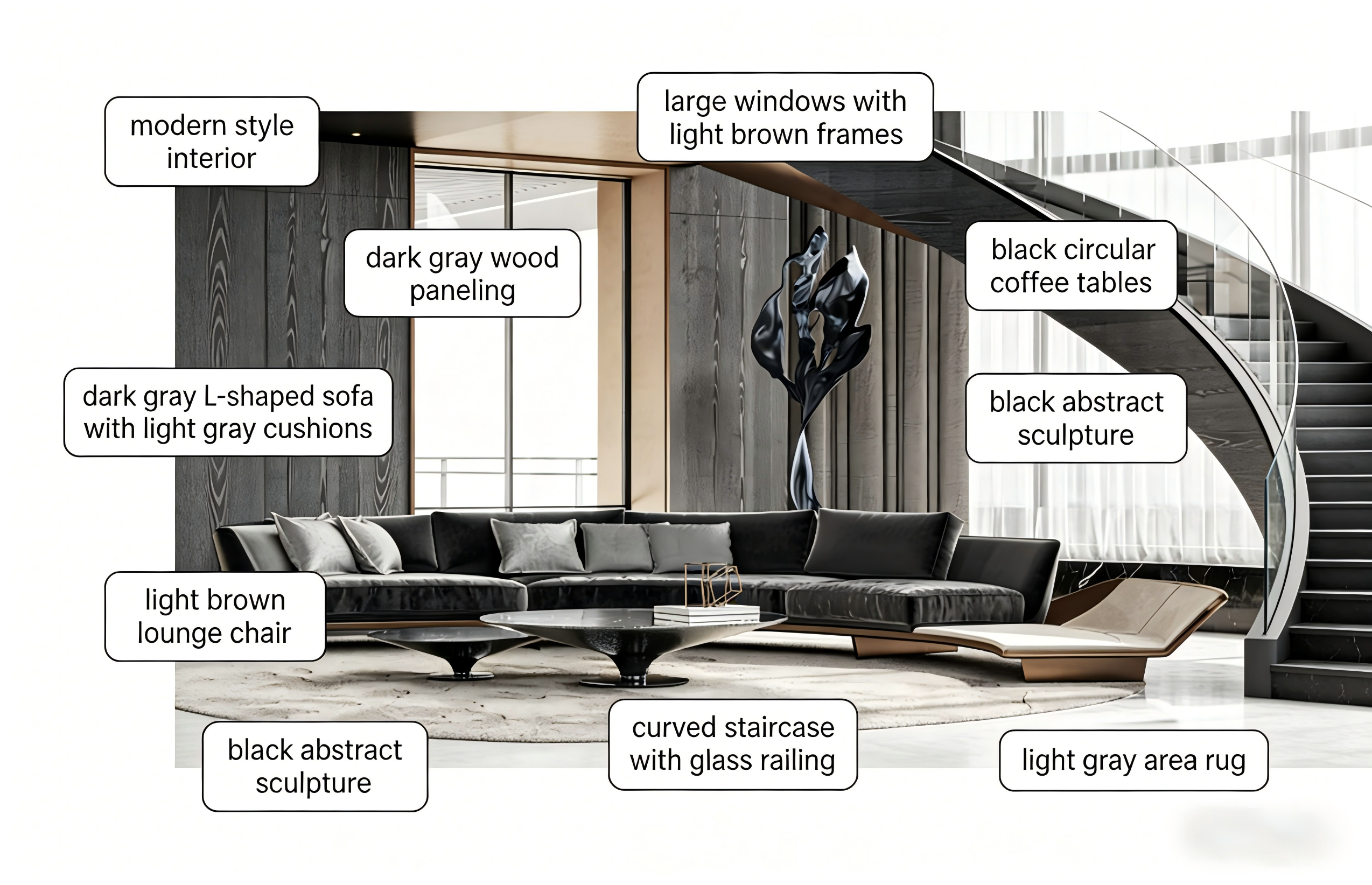
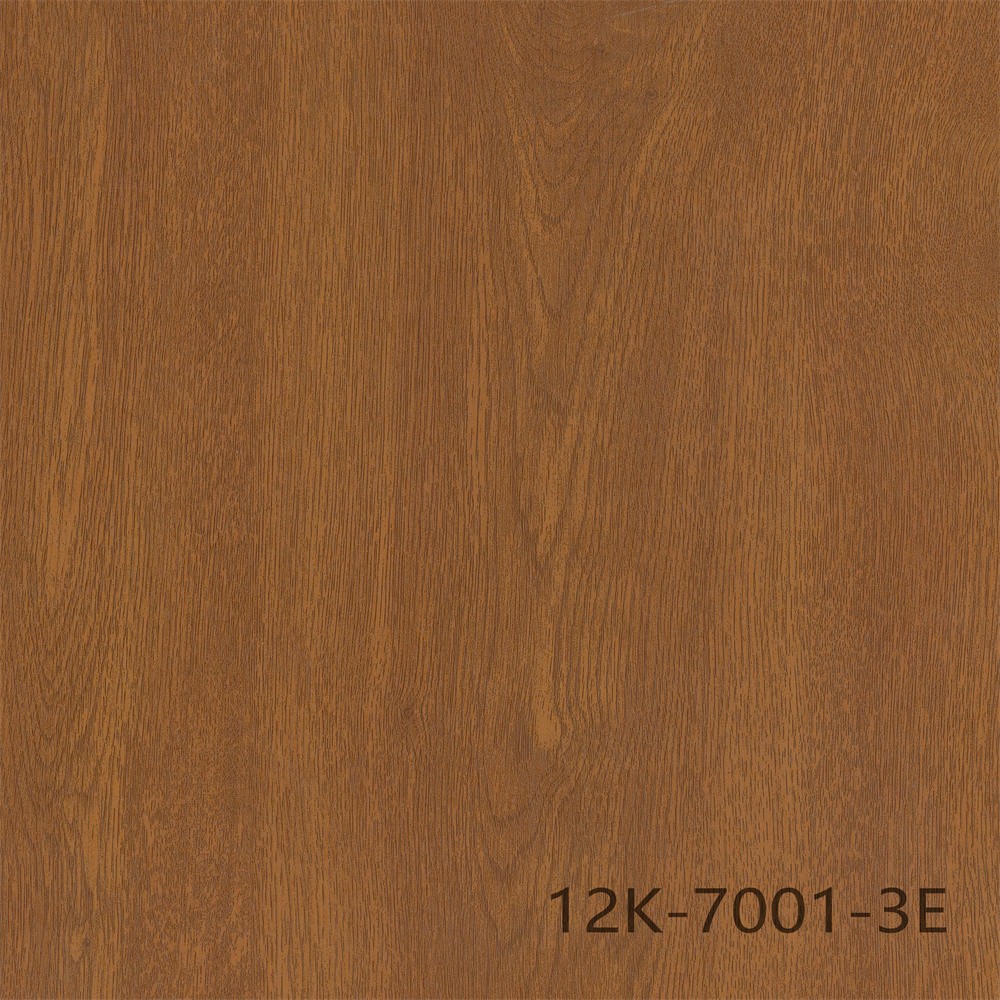
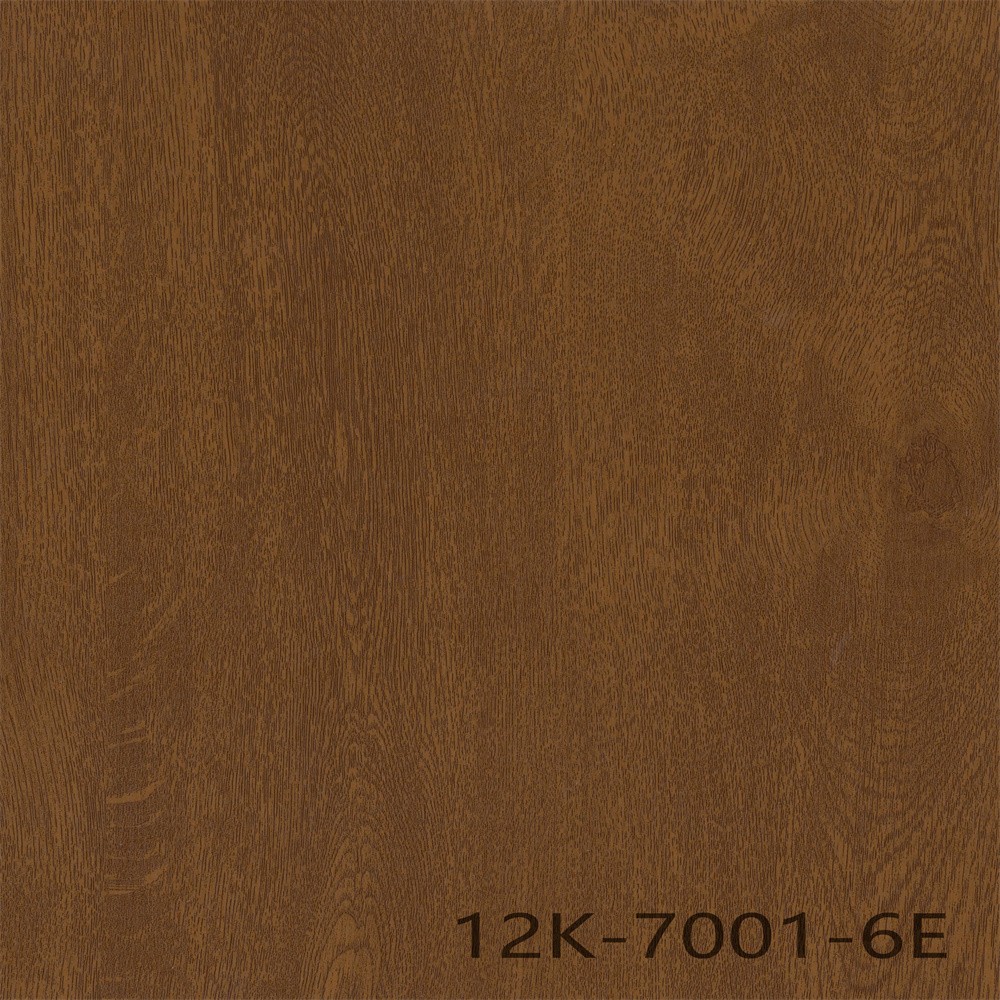
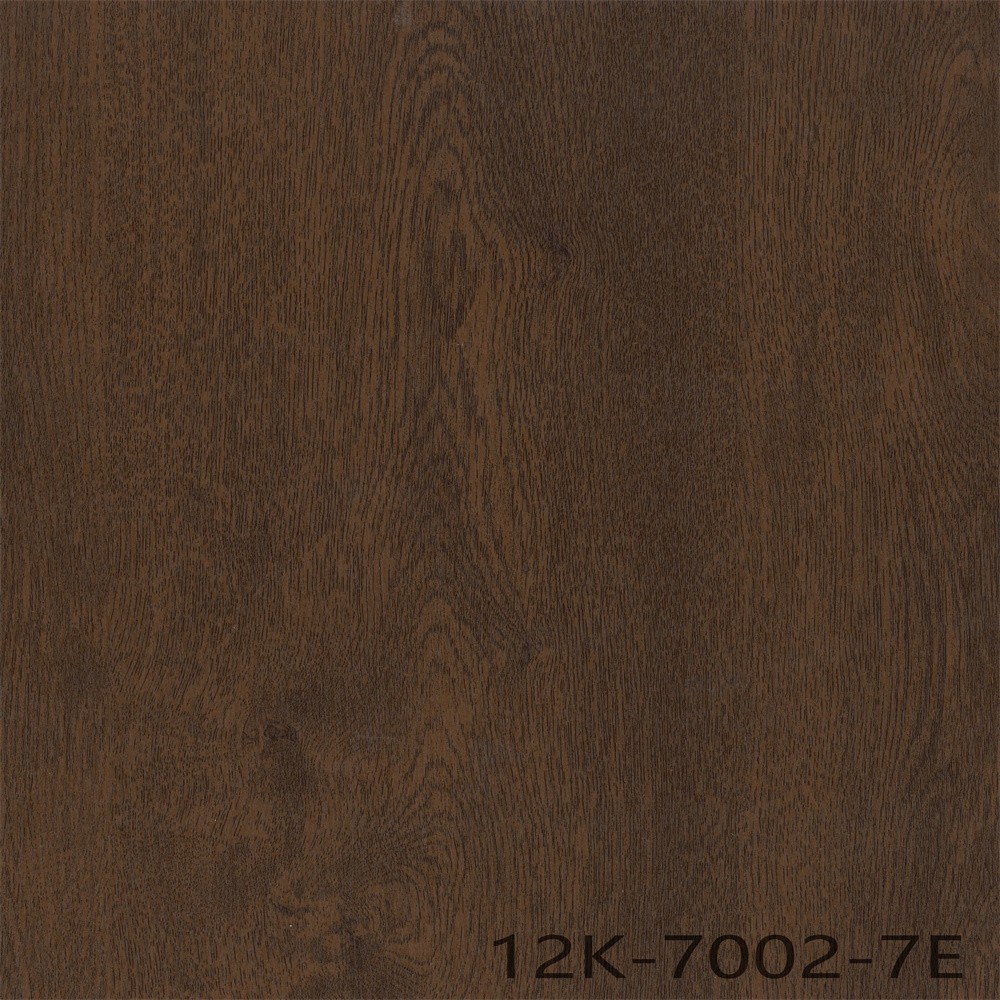
1. Test materials before mass production: Testing decorative films prevents defects and rework, avoiding wasted materials and labor.
2. Optimize lamination and stamping processes: Train operators to adjust machines and maintain equipment to reduce rejection rates and waste by 5–10%.
3. Reuse and recycle scrap materials: Reuse small scrap pieces for small furniture parts or recycle them.
Third, choose cost - effective alternatives without sacrificing quality.
1. Select the right material type: PVC film is more cost - effective than PET film for most residential furniture.
2. Simplify designs: Opt for popular, standard designs to reduce costs. Order larger quantities for custom designs.
3. Leverage OEM/ODM for cost savings: Working with an OEM/ODM supplier reduces R&D costs.
Fourth, manage inventory efficiently: avoid overstock and waste.
1. Forecast demand accurately: Use historical data to align purchases with production schedules, reducing storage costs and waste.
2. Implement just - in - time (JIT) procurement: For stable production, receive materials only when needed, reducing inventory costs.
Fifth, negotiate with suppliers for better terms. Ask for discounts, flexible payment terms, free samples, and reduced logistics costs.
In summary, reducing decorative material costs requires a combination of smart procurement, production efficiency, cost - effective alternatives, inventory management, and supplier negotiation. Implementing these strategies can cut costs by 10–25% without compromising quality, enhancing profitability and competitiveness. Contact us for cost - effective, reliable decorative film supply.



Contact:nicole
Phone:+86 13726410023
E-mail:999ctw@gmail.com
Add:Guangdong Province, China